


Luna Keys: Song of Dreams
0.00.00 Reviews
App Specs
- Version
- 1.4
- Updated On
- License
- Free
- Downloads
- 50,000+
- Developer
- Sentora
- Categories
- Music
- Platform
- Android
Screenshots
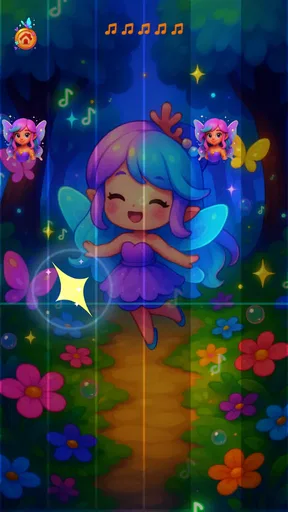
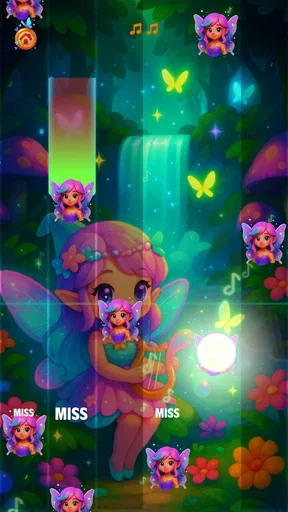
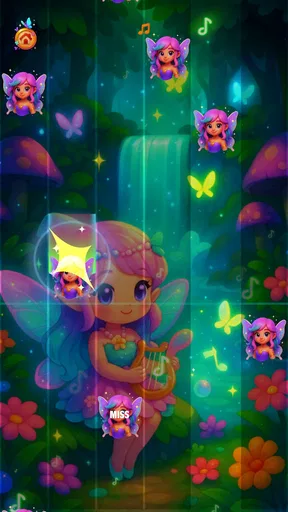
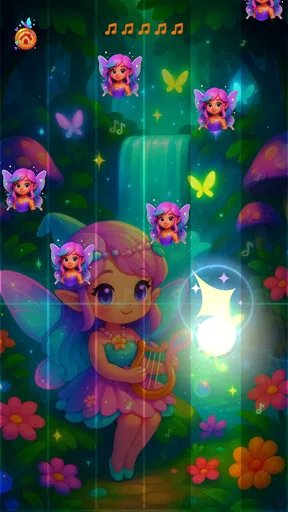
 Analysis by AppCompare
Ever stumbled upon an app that feels like it was crafted just for you? Well, Luna Keys: Song of Dreams might just be that perfect fit. If you're into music, puzzles, or just adore beautifully designed apps, then you're in for a treat. Let me take you through my journey with this gem of an app.
A gentle musical detour
I’d approach this as a small, focused music game rather than a replacement for a piano-learning course or a full music-making workstation. The appeal is in joining a tune to a light puzzle-like task: it gives me something to concentrate on without asking me to study theory or plan a long creative session. That distinction matters if you’re choosing between a casual game and an app intended to teach an instrument.
For a short break, the format makes sense. I can imagine opening it while waiting for a kettle to boil or taking a quiet pause between other tasks, then setting it aside without needing to turn the session into a commitment. If you prefer games with a clear, demanding objective, though, a gentle musical activity may feel too slight. The best fit is someone who enjoys listening and arranging sounds as a relaxing diversion, not someone chasing a serious challenge.
The Magic of Music and Puzzles
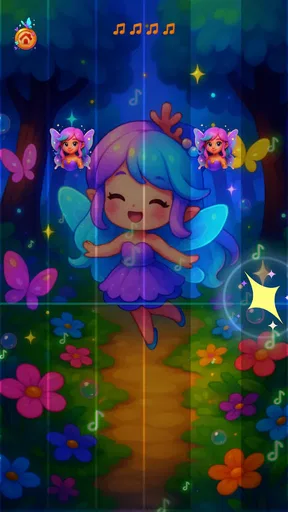
From the moment I launched Luna Keys: Song of Dreams, it was clear that this wasn't just any ordinary app. Imagine blending the joy of solving puzzles with the magic of creating music. That's exactly what this app delivers. The interface is visually stunning, with vibrant colors and smooth animations that make you want to dive in and explore.
Getting Started
One of the things I loved right off the bat was how easy it was to get started. The app has a super friendly tutorial that guides you through the basics without overwhelming you. You start by learning a few simple tunes, piecing together musical notes like a jigsaw puzzle. Trust me, it’s as satisfying as it sounds. As you progress, the challenges get trickier, but that's where the fun really begins!
When I’m trying a music game for the first time, I like to keep the opening session short and pay attention to whether its instructions make sense without a second screen or a search for outside help. A guided start is useful here because it lets a newcomer test the basic rhythm-and-note idea before deciding whether to keep going. My practical tip is to play somewhere you can listen closely, at least initially: musical cues are easier to follow when they aren’t competing with a noisy room, and that helps you judge whether the puzzle format suits you.
Gameplay and Features
The core gameplay revolves around solving musical puzzles. You have a set of notes that you need to arrange in the correct order to recreate a song. It’s like being a composer, but without the pressure! What I found particularly cool is the range of tunes available. From classic melodies to modern hits, there's something to suit everyone's taste.
Worth Reading Before You Choose

EA SPORTS FC Mobile 26 Is a Bigger Football Game, but It Takes Time

Flipboard Shows What News Apps Must Do Beyond the Feed

Switching to Android Auto Means Rethinking Your Driving Routine

Google Calendar Makes a Crowded Week Easier to Manage

Ludo King Makes the Most of the Minutes Between Plans

Baby Panda World Brings Quick Play to Modern Phones, but Its Game Library Feels Busy
As you advance, you unlock new levels and instruments, adding layers of complexity and creativity. The app also features a "Create Mode," where you can compose your own music. It's a fantastic way to express your creativity and share your compositions within the app’s community.
How I’d fit it into a day
A realistic use is a low-key evening break: I might sit down after dinner, try a puzzle or two, and use the tune as a change of pace from scrolling. If I’m playing near someone else, I’d keep the sound at a considerate level and treat it as a personal pastime rather than assuming it will work as a shared activity. The key is to let the game be a small pocket of attention, not to expect it to fill an entire evening with depth.
There is also a useful difference between replaying a puzzle and composing. When I want a defined task, arranging notes toward a recognizable result gives me a clear endpoint. When I’m in a more exploratory mood, the creative side offers a different reason to stay. I’d try both styles early, rather than judging the whole game only by its first guided exercises; a player who enjoys one may find the other less compelling, and that’s a personal preference rather than a flaw.
Why It Stands Out
Now, there are plenty of music and puzzle apps out there, so what makes this one special? For me, it’s all about the seamless integration of music and gameplay. It’s not just about playing a game; it’s about experiencing music in a whole new way. Plus, the app’s social aspect is a major bonus. You can connect with friends, share your progress, and even challenge each other to see who can solve songs the fastest.
Compared with a rhythm game built around quick reactions, this note-arranging approach sounds better suited to someone who wants to pause and think rather than chase a beat under pressure. Compared with a conventional piano app, it puts the puzzle and playful experience first instead of making practice the central goal. That makes it an easier casual recommendation for a music fan, but a less direct choice if you want structured lessons, instrument technique, or a tool for producing finished tracks.
The social elements may make it more enjoyable if you already have friends who want to compare progress, but I wouldn’t make that the sole reason to install it. A music game should still be satisfying when you’re playing alone. If you prefer private, self-paced activities, the puzzle-and-song loop is the part to evaluate; if friendly competition is what keeps you engaged, the option to challenge others may be a welcome extra.
And let's not forget the design. Everything from the app’s icons to the background music is crafted to make you feel relaxed and inspired. It’s clear that a lot of thought and effort went into making sure every user has a delightful experience.
Cost, access, and what the price means
Sentora’s music game is free to install, which makes trying the basic experience a low-commitment decision. It has in-app purchases ranging from twenty-nine cents to just under one hundred dollars per item, so I’d treat optional spending as a separate decision from downloading it. That wide span is worth noticing before tapping a purchase button: check the price of the specific item and decide whether it adds something you personally want, rather than assuming every purchase is necessary to enjoy the game.
The game is rated for everyone, has an average rating of zero point zero, and has passed fifty thousand installs. It was released on August 10, 2025, and version 1.4 is the current release. It requires Android 8.0 or later. Those details help set expectations about availability and maturity, but they don’t tell me whether its style will click for you; the best test is whether you enjoy the first note puzzles and want to return to them.
Because the game is free to start, I’d try it before spending anything. If the core activity feels repetitive to you, paying for an item is unlikely to fix that mismatch. If you’re enjoying the play and understand exactly what an optional purchase provides, you can make that choice with a clearer sense of value. I’d also be cautious about treating a large purchase as a shortcut to enjoyment: the lasting value here depends more on liking the musical puzzle loop than on buying extras.
Who is likely to get the most from it?
I’d recommend it to someone who likes music but wants an approachable game rather than a lesson plan. It may suit a casual player looking for calm, short sessions, a puzzle fan open to a musical theme, or a friend group that enjoys comparing progress. It is also a reasonable experiment for a younger player because the age rating is for everyone, though an adult should still make their own judgment about optional in-app spending on a shared device.
I’d skip it if my main goal were to learn piano in a structured way, compose with detailed controls, or get the fast, reflex-heavy feel of a conventional rhythm challenge. Those are different needs, and this game’s appeal is the combination of musical material and puzzle play. If I were choosing between it and a music-learning app, I’d ask whether I want to understand and practise an instrument or simply enjoy arranging notes as a game; the answer points clearly to the better fit.
One practical question is whether it works for a player who doesn’t know music theory. The gentle guided start and simple note-arranging premise make it sound approachable without prior training, so I wouldn’t let a lack of formal knowledge put me off trying it. Another is whether it can serve as a serious creative tool: I’d treat its create-and-share option as a playful outlet, not assume it replaces a dedicated composition app. That expectation keeps the experience in its proper lane.
Final Thoughts
After spending hours playing and exploring, I can confidently say that Luna Keys: Song of Dreams is worth every minute of your time. Whether you're looking to unwind after a long day or want to challenge your brain, this app offers a unique blend of relaxation and stimulation. It's rare to find an app that balances these elements so perfectly.
So, if you’re ready to embark on a musical journey filled with creativity and fun, give Luna Keys: Song of Dreams a try. You might just discover a new favorite hobby or, at the very least, enjoy some beautiful tunes along the way. Happy playing!
Pros
- Beautifully designed user interface.
- Wide variety of songs to choose from.
- Interactive tutorials for beginners.
- Offline mode available for uninterrupted play.
- Regular updates with new content.
Cons
- Limited free content without subscription.
- Some features require strong internet.
- In-app ads can be intrusive at times.
- Occasional crashes on older devices.
- Customization options are limited.
FAQs for Luna Keys: Song of Dreams
What is Luna Keys: Song of Dreams about?
Luna Keys: Song of Dreams is a captivating music-based puzzle game where players embark on an enchanting journey. The game combines beautiful melodies with challenging puzzles, requiring players to use their musical intuition to progress. The storyline is immersive, featuring a magical world where every note played brings the story closer to its thrilling climax.
Is Luna Keys: Song of Dreams free to play?
Luna Keys: Song of Dreams is free to download and play on both Android and iOS platforms. However, the game does offer in-app purchases, which can enhance the gameplay experience by unlocking additional features, levels, or resources. Players can enjoy the core game without spending money, but optional purchases can provide added convenience and enjoyment.
What are the main features of Luna Keys: Song of Dreams?
The game features a unique blend of music and puzzle-solving gameplay. Key features include a variety of challenging levels, an enchanting musical score, and stunning graphics that bring the magical world to life. Players can also engage with the storyline, uncover secrets, and customize their gaming experience with different instruments and soundtracks.
Are there any age restrictions for playing Luna Keys: Song of Dreams?
Luna Keys: Song of Dreams is designed for a broad audience and is generally suitable for players of all ages. However, the game's content is best appreciated by those with an interest in music and puzzles. Parents should review the game to ensure it aligns with their child's interests and maturity level, particularly due to optional in-app purchases.
Can Luna Keys: Song of Dreams be played offline?
Yes, Luna Keys: Song of Dreams can be played offline, allowing players to enjoy the game without an internet connection. This feature makes it convenient for users who wish to play on the go or in areas with limited connectivity. However, certain features, such as in-app purchases or cloud saves, may require an internet connection.


